
Blog
How to Store and Dispose of Nicopods Safely

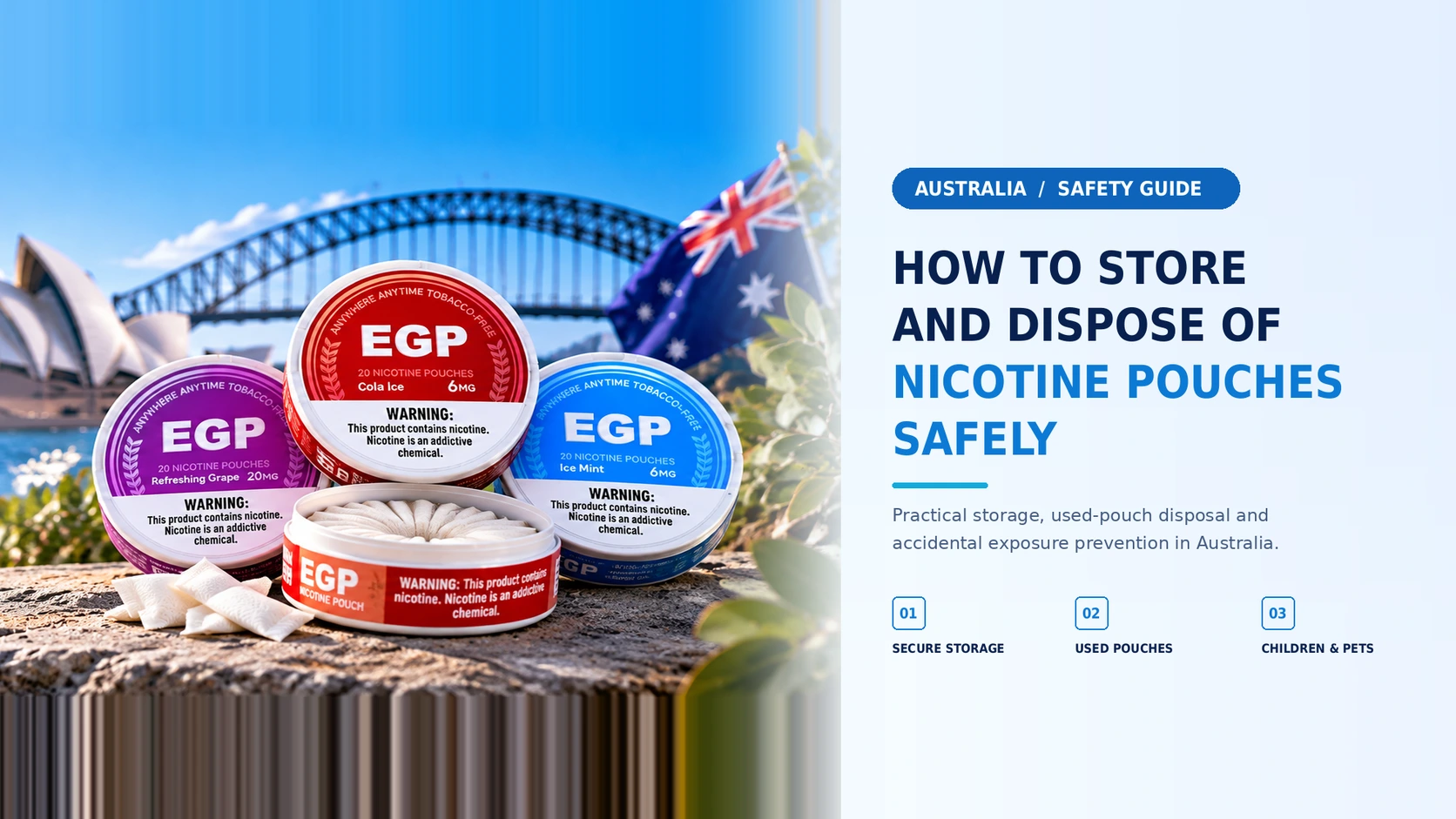
Knowing how to store and dispose of Nicopods is primarily a household safety issue. Both unused and used pouches may contain N-substance, a substance that can be poisonous if accidentally swallowed, especially by young children. Pets may also be harmed if they chew or ingest a pouch.
This guide covers practical storage habits, secure disposal of used pouches, and what to do if a child, adult or pet is accidentally exposed.
How to Store and Dispose of Nicopods: The Essential Steps
Storage and disposal are two parts of the same prevention plan. A pouch left on a coffee table is accessible whether it is unused or has already been discarded. A convenient counter-top container is not a substitute for secure storage.
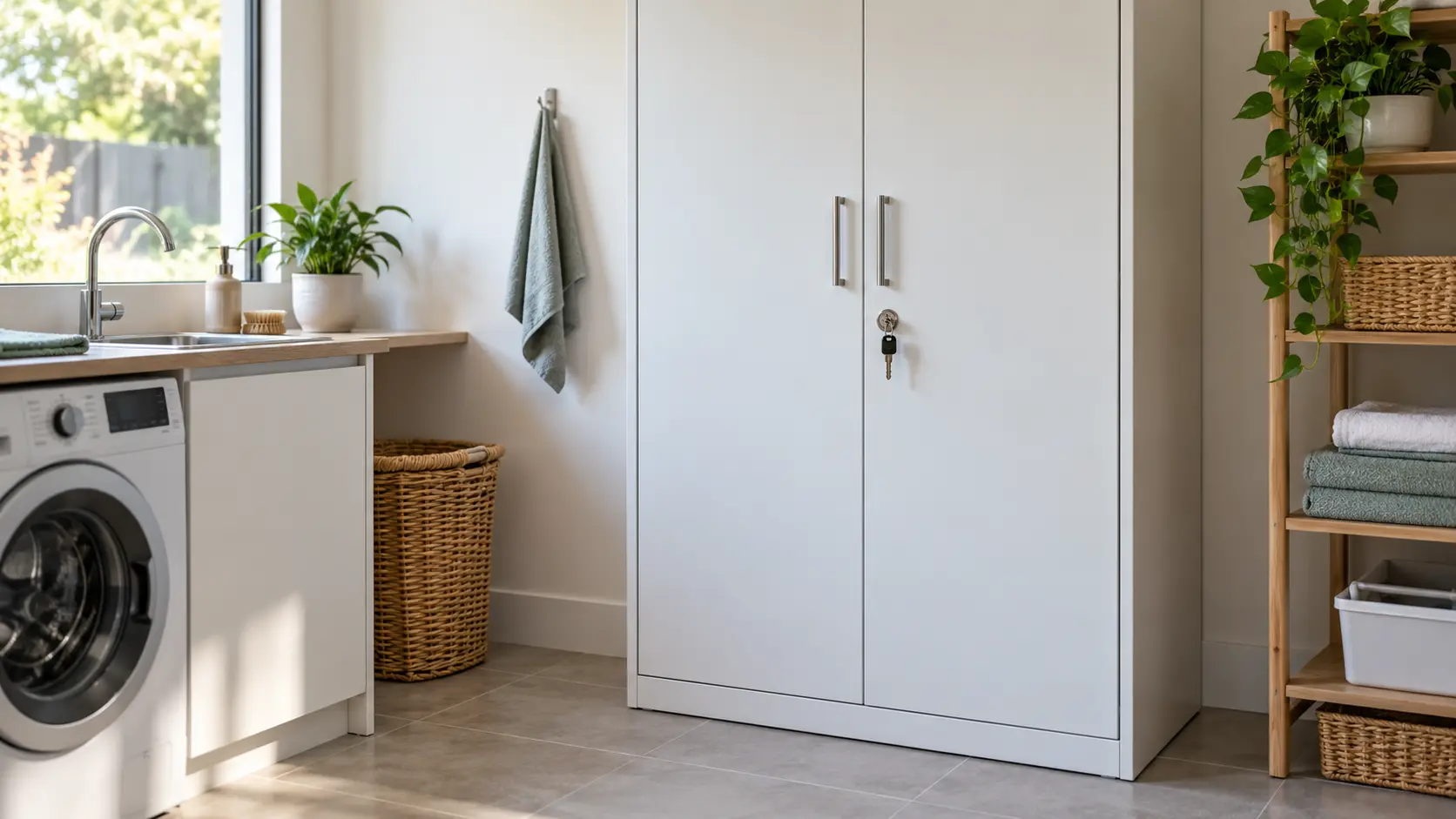
- Keep the original can closed and put it in a locked or otherwise secure location.
- Store it out of sight as well as out of reach of children and animals.
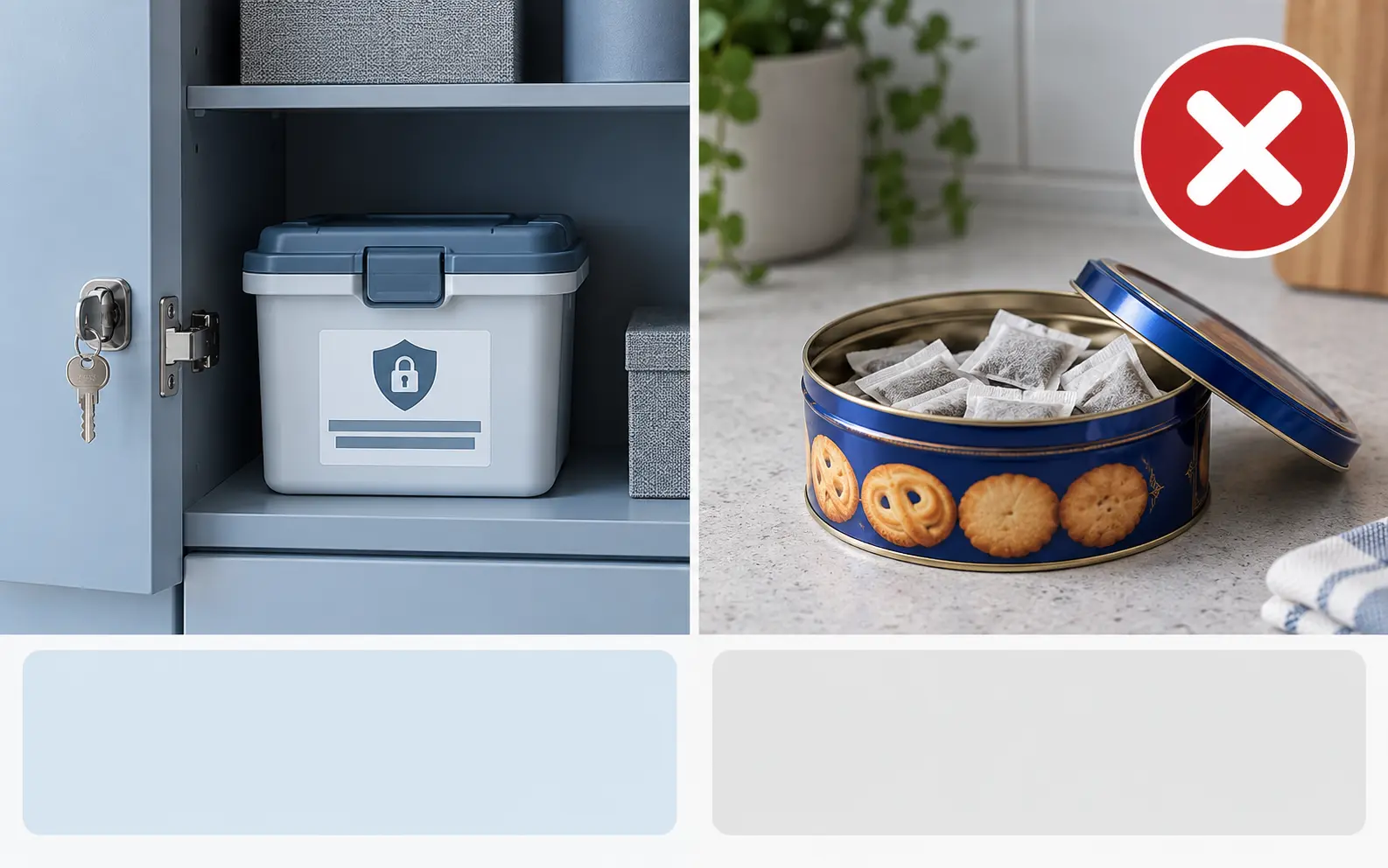
- Never move loose pouches into food jars, sweet containers or unlabelled packages.
- Separate used pouches from items that might be handled by children or pets.
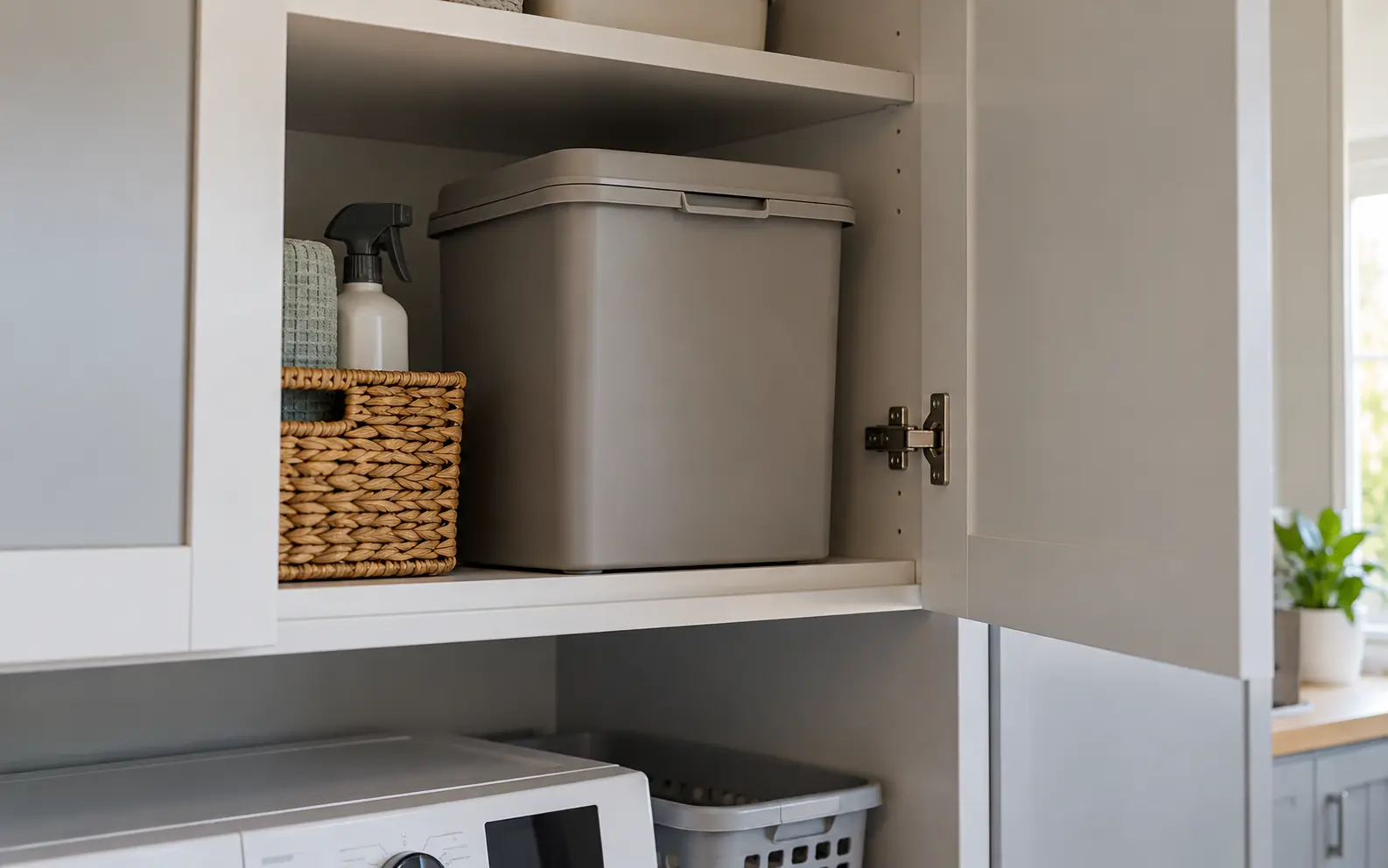
- Put used pouches into a secure, closed disposal container promptly.
- Check local council waste guidance if you are unsure how to dispose of the material.
These basic precautions reflect the emphasis placed on original packaging, secure storage and preventing accidental exposure in the US Food and Drug Administration’s Nicopods storage guidance. The agency specifically identifies children and pets as groups at risk.
Where Should Nicopods Be Stored at Home?
A high, locked cupboard is generally safer than an open shelf, bedside table, handbag left on the floor or kitchen bench. A container that looks difficult for an adult to open may still be within the reach of a determined child. Storage needs to be secure when visitors, relatives or housemates are present as well.
Keep products in their original containers
The original packaging helps adults identify what the contents are and may carry warning or product identification details. Decanting Nicopods into an unlabelled box, snack tub or pocket-sized mint tin creates an avoidable risk that someone mistakes them for something else.
Read the manufacturer’s storage instructions where available. As a general precaution, keep containers away from excessive heat, moisture and direct sunlight, but do not assume any particular storage condition guarantees product safety or accuracy.
Do not rely solely on the lid
Closing a can is useful, but not every container is child-resistant. A closed lid should be combined with a locked or otherwise inaccessible storage location. The FDA recommends engaging child-resistant features where they exist, rather than assuming all packaging has them.
How Should Used Nicopods Be Handled?
A used pouch should not be treated as harmless simply because it has been in someone’s mouth. Residual N-substance may remain, and a child or animal might still put it in their mouth. The exact amount remaining cannot be determined by appearance.
Place used pouches promptly in a sealed or secure container that children cannot open or reach. Keep that container separate from food and drinking vessels. Do not leave pouches on tables, in cup holders, loose in coat pockets or accessible household bins.
The National Capital Poison Center advises placing used pouches in sealed containers that children cannot open. This is a sensible precaution even when a household has no children, because pets and visitors can also be exposed.
How to Dispose of Nicopods Responsibly
Secure containment comes first. Do not drop used pouches on the ground, leave them in public areas or flush them down the toilet. These practices create opportunities for accidental contact and litter.
Local waste rules may differ. Before disposing of larger quantities or any unusual nicotine-containing waste, follow the advice of the relevant local council or waste authority. Do not assume a used pouch or its packaging belongs in a recycling stream simply because the container looks recyclable.
- Used pouches: keep them secured from children and pets while awaiting disposal; follow applicable local waste instructions.
- Empty cans: check the container material, cleanliness and local recycling rules before sorting them.
- Loose, damaged or unidentified contents: avoid handling them unnecessarily, keep them secured and ask your local waste authority for advice if their disposal is unclear.
If local disposal instructions are unclear, contact your council or waste authority before placing the contents in household waste or recycling.
Why Children and Pets Need Special Protection
Nicopods are small and may have bright packaging or sweet-sounding flavour names. A young child may mistake a loose pouch for something edible. A curious dog may chew through a container or pick up a dropped pouch.
The FDA has reported accidental Nicopods exposures involving very young children in the United States. The cases reinforce the importance of keeping both unused and discarded pouches securely stored.
For people living with children or pets, review storage in every room, car and bag—not only the cupboard where the product is normally kept. Visitors should also be asked to keep nicotine-containing items secure. See the FDA’s accidental exposure prevention advice for further practical context.
What to Do After Accidental Exposure in Australia
Do not wait for symptoms before seeking poison advice. Avoid trying to make the person vomit. If it is safe to do so, keep the packaging or take a clear photo so that the relevant product information can be provided to the adviser or clinician.
Possible poisoning symptoms include nausea, vomiting, dizziness, confusion and changes in heart rate. Serious cases can cause seizures or loss of consciousness. The symptoms and severity vary with the exposure. For Australian first-aid guidance, refer to Healthdirect: swallowed substances.
Does the Label Tell You Whether a Pouch Is Safe?
No. A label can identify the stated N-substance strength, pouch count, ingredients and warnings, but those details alone do not independently verify the contents or establish that a product is safe. Keep the packaging available in case you need to provide product information to a poison adviser or clinician.
For a separate explanation of packaging terminology, read our educational guide How to Read a Nicopods Label. That article focuses on mg/pouch, mg/g, pack quantity and warning statements; the present article addresses household handling and accidental exposure.
Frequently Asked Questions
Can used Nicopods still be dangerous?
Yes. A used pouch may still contain N-substance. Keep used pouches secured and inaccessible to children and pets instead of leaving them on exposed surfaces or in open bins.
Can I keep Nicopods in a mint tin or food container?
Avoid transferring them to unlabelled or food-style containers. Original packaging helps identify the contents, and a separate locked storage location reduces access risks.
Should I recycle empty Nicopods cans?
Do not assume all cans belong in recycling. Check the packaging material and your local council’s rules, and keep any residues or loose pouches secure until they can be disposed of appropriately.
What should I do if a child has swallowed a pouch?
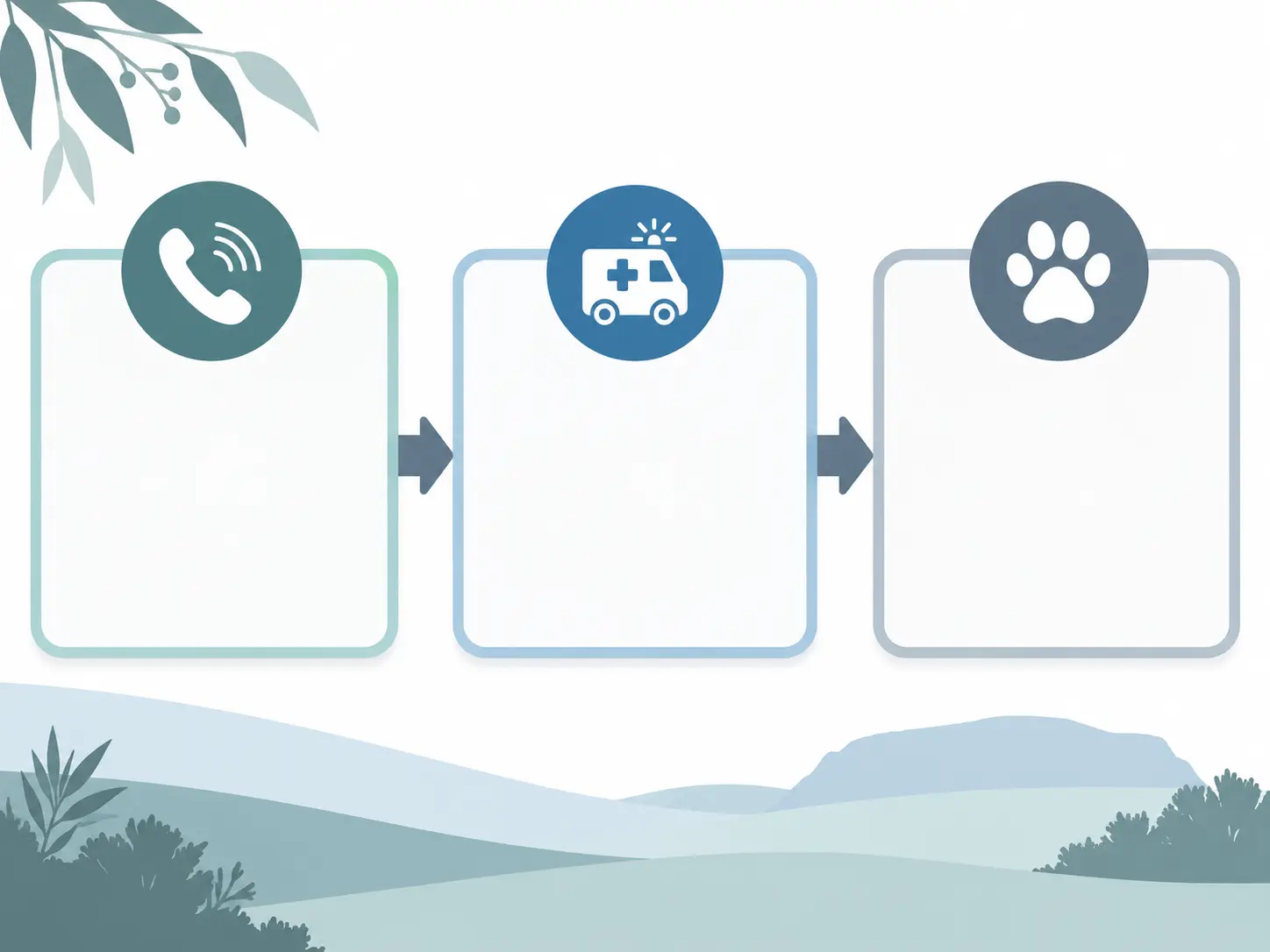
Call Australia’s Poisons Information Centre on 13 11 26 immediately for advice, even if symptoms have not appeared. Call 000 for an emergency such as collapse, a seizure or severe breathing difficulty. Do not induce vomiting.
What if a dog or cat eats a Nicopods?
Contact a veterinarian or emergency veterinary service promptly. Do not wait to see whether the animal becomes unwell, and provide the packaging information if available.
Key Takeaways
- Keep Nicopods in their original closed container and preferably in a locked cupboard.
- Children and pets should never have access to unused or used pouches.
- Use secure containment for discarded pouches and follow local waste guidance.
- For a suspected human exposure in Australia, call 13 11 26; call 000 in an emergency.